


What Happens If You Die Without a Will in England and Wales
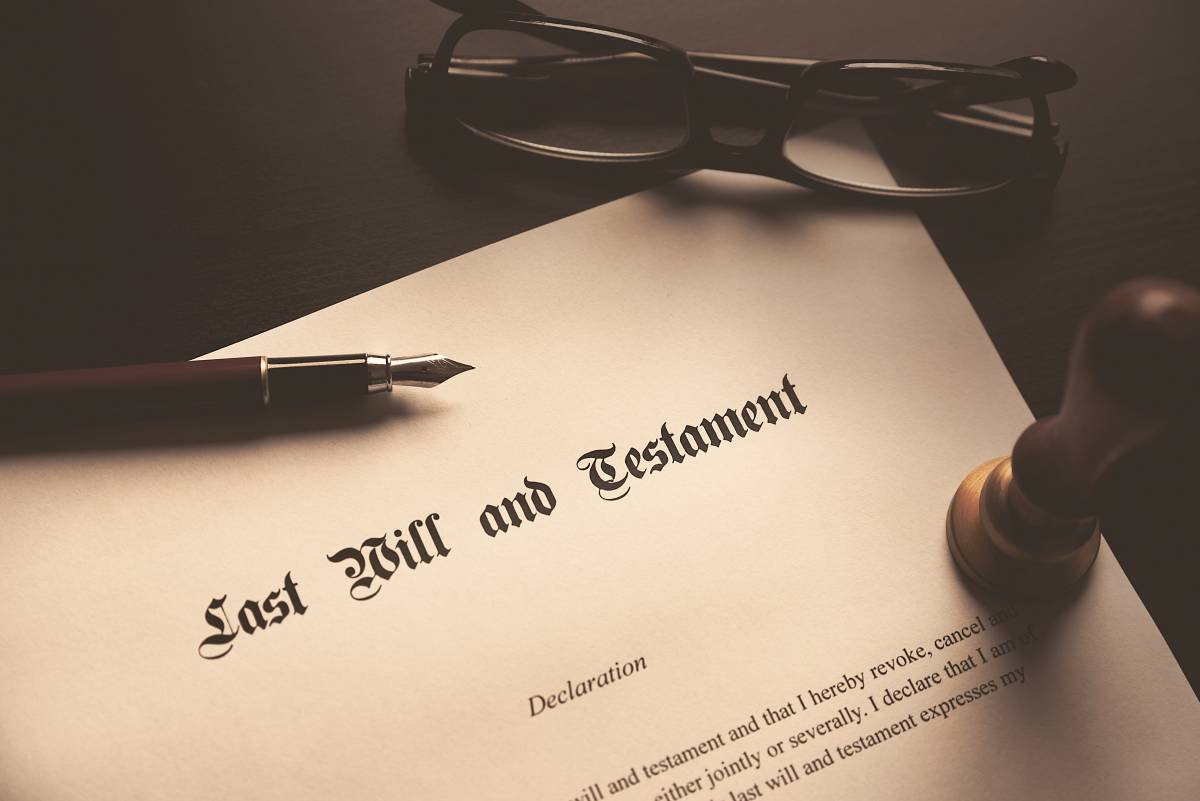
Many people assume that if they die, everything they own will automatically go to their loved ones. Unfortunately, this is not always the case. If you die without a will in England and Wales, your estate is distributed according to strict legal rules known as the intestacy rules UK. These rules may not reflect your personal wishes. Unmarried partners may receive nothing. Stepchildren are not automatically included. Family disputes are common, and the administration process can become complicated and expensive.
If you have ever wondered “no will, what happens”, it is important to understand the full implications. This guide explains the intestacy rules in England and Wales in detail, how your estate would be distributed if you die intestate, the order of priority for inheriting, what the statutory legacy means, potential issues that can arise, and why having a will is essential.
What It Means to Die Intestate
When someone dies intestate, it means that they either have not made a valid will, their will is invalid, or it does not cover their entire estate. In such cases, the estate does not go to family or loved ones according to any personal wishes. Instead, it is distributed according to law under the Administration of Estates Act 1925 and later amendments.
The court does not consider verbal promises, family expectations, or long-term partnerships. The law follows a set formula that determines who inherits. This can create confusion and frustration for surviving family members and loved ones, especially if they were expecting to receive specific gifts or assets.
Dying intestate often creates additional stress for family members at a time when they are grieving. Applying for letters of administration can be a complex process, especially if the estate includes properties, investments, or business assets. Without a will, the administration of the estate may take months or even years in some cases.
Who Inherits If You Die Without a Will
The rules for intestacy in England and Wales are very specific. If you die without a will, the law decides how your estate is distributed based on your family relationships.
The first priority is usually a surviving spouse or civil partner. If you have a spouse but no children, your spouse inherits the entire estate. If you have both a spouse and children, your spouse receives personal possessions, the first £270,000 of your estate, and half of the remainder. The children share the other half equally.
If you do not have a spouse or civil partner, your estate passes to other relatives in a fixed order. This begins with your children, then parents, then siblings, and then nieces and nephews. If there are no surviving relatives, your estate ultimately passes to the Crown.
Unmarried partners, no matter how long the relationship has lasted, are not automatically entitled to inherit. This is one of the most common causes of disputes when someone dies without a will. Many people assume that cohabiting partners will inherit property and savings, but the law does not recognise this automatically.
Stepchildren and children from previous relationships are only included if they are legally adopted. Non-biological relatives, friends, and charities will not receive anything unless a will exists.
The Statutory Legacy
One key part of the intestacy rules is the statutory legacy. This is a fixed sum that a surviving spouse or civil partner receives if someone dies intestate. Currently, the statutory legacy is £270,000. Anything above this amount is divided according to the intestacy hierarchy.
For example, if someone dies intestate leaving a spouse and children, the spouse receives the statutory legacy and half of the remainder, while the children share the other half. If there are no children, the spouse receives the entire estate.
The statutory legacy can create challenges for families with blended households or multiple children from previous relationships. In some cases, children or other relatives may receive more or less than the deceased might have intended.
Common Issues When Dying Without a Will
Dying intestate can cause a range of problems. Families may face lengthy legal procedures to administer the estate. If relatives disagree about who should inherit, the process can become even more complicated.
Ownership of assets may also be unclear, especially for jointly held property, savings accounts, or investments. Without a will, disputes about ownership or contributions to the estate may arise. Some assets may be difficult to distribute if there is no clear documentation.
In addition, dying intestate eliminates the opportunity to plan for inheritance tax efficiently. Without careful planning, some estates may face unnecessary tax liabilities, reducing the amount available to loved ones.
Case Study: A Family Dispute
Consider the case of Mr. Thompson, who died without a will. He had a long-term unmarried partner and two adult children from a previous marriage. Because he died intestate, his partner was not entitled to any inheritance under the law. The estate, which included the family home and savings, passed entirely to his children.
This caused significant emotional distress and led to legal disputes over the property. Had Mr. Thompson created a will, he could have provided for his partner, divided his estate fairly, and avoided lengthy disputes.
Planning Ahead: The Importance of a Will
Creating a will ensures that your estate is distributed according to your wishes. A valid will allows you to provide for a surviving partner, include children from previous relationships, leave gifts to friends or charities, and plan for inheritance tax efficiently.
A will also simplifies the administration of your estate for your loved ones. Without a will, your family must apply for letters of administration, which can be time-consuming and stressful. With a clear will, the process is usually much faster and less complicated.
At The Probate Bureau, we offer professional will-writing services to ensure that your will is valid and legally binding. Our experts can help you plan your estate, protect your family, and provide peace of mind.
Why You Should Take Action Today
No one likes to think about death, but failing to plan can have serious consequences. Dying without a will can leave loved ones with legal headaches, disputes, and financial stress. Creating a will is the most reliable way to ensure that your estate is handled according to your wishes.
Whether you want to provide for a spouse, support children from previous relationships, or leave a gift to charity, a professional will can make your intentions clear and enforceable. The process is straightforward, and the peace of mind it provides is invaluable.
Do not leave your estate to chance. Contact The Probate Bureau today to arrange your will. Our experts guide you through the process and ensure your estate is distributed exactly as you intend.
Frequently Asked Questions About Dying Without a Will
1. What does it mean to die without a will?
Dying without a will, also known as dying intestate, means that you have not left behind a legally valid will that specifies how your estate should be distributed. The law decides who inherits your property, money, and possessions according to intestacy rules.
2. Who inherits if someone dies intestate in England and Wales?
A surviving spouse or civil partner usually takes priority, receiving personal possessions, the first £270,000 of the estate, and half of the remainder if children are involved. Children share the other half equally. If there is no spouse or children, the estate passes to other relatives in order of priority.
3. What happens to unmarried partners when there is no will?
Unmarried partners are not automatically entitled to inherit under the intestacy rules, regardless of how long they lived together.
4. Can stepchildren inherit if there is no will?
Stepchildren cannot inherit automatically unless they are legally adopted.
5. What is the statutory legacy?
The statutory legacy is a fixed sum currently set at £270,000 that a surviving spouse or civil partner receives under intestacy rules.
6. How does the estate get administered without a will?
A family member must apply for letters of administration, allowing them to collect assets, settle debts, and distribute the estate according to law.
7. Are disputes common when someone dies without a will?
Yes. Disputes frequently arise between family members, partners, or relatives regarding inheritance and asset ownership.
8. Can gifts be left to friends or charities without a will?
No. Only legally recognised relatives inherit under intestacy rules unless a valid will exists.
9. Does dying without a will affect inheritance tax?
Yes. Without proper estate planning through a will, inheritance tax liabilities may be higher than necessary.
10. Why is making a will important?
A will ensures your estate is distributed according to your wishes, reduces disputes, simplifies administration, and protects loved ones.
Back To BlogShare This Post


Recent posts
- What Documents Do You Need for Probate? By Probate Bureau , 26/05/2026
- Can You Access Bank Accounts Before Probate? By Probate Bereau , 26/05/2026
- Do You Need Probate to Sell a House in the UK? By Probate Bereau , 26/05/2026
2015 Archive
2016 Archive
2018 Archive
2019 Archive
2020 Archive
2023 Archive
- July 10 posts
0 Archive
- December 1 posts
Blog Categories
Find your way through the probate maze
Click here to follow our step-by–step probate process guide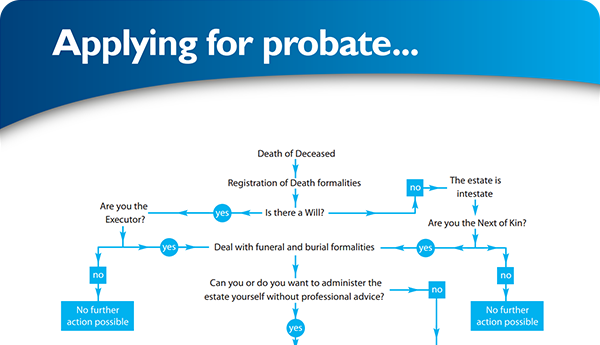
Testimonials
Excellent service, everything went very smoothly. Like to thank Ann and her team.... read more
Good & Reliable service, always kept up to date with what was happening. Value for money.... read more
Latest Tweet
Follow @ProbateBureau


Contact Us
0800 028 2837 info@probatebureau.comTHE PROBATE BUREAU
3 Crane Mead Business Park
Crane Mead
Ware
Hertfordshire
SG12 9PZ
×